
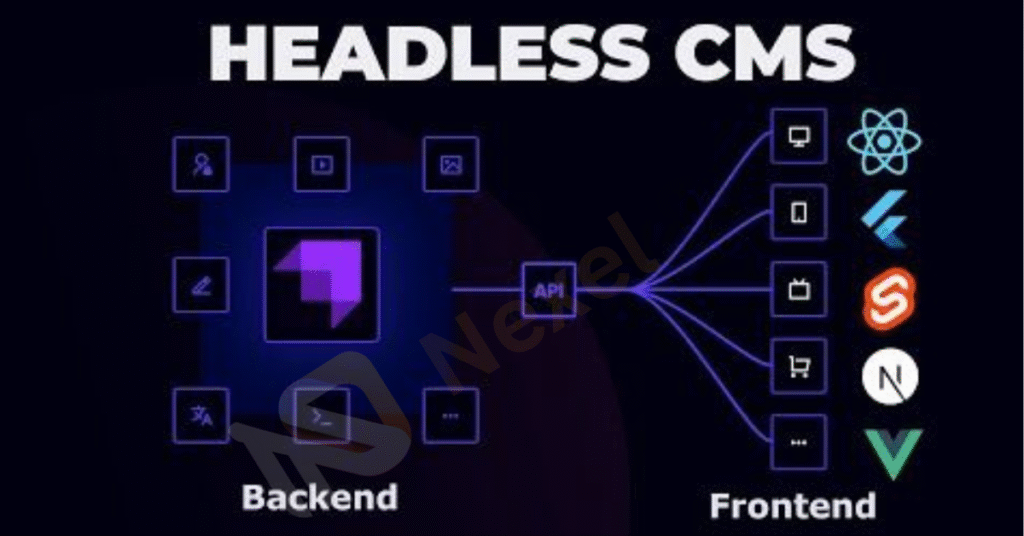
WordPress powers over 40% of the web, and in 2025, two approaches are shaping the future: Headless WordPress and Full Site Editing (FSE). Both are powerful, but which one should you choose?
What is Headless WordPress?
Headless WordPress separates the content management system from the front-end display. Developers use WordPress for managing posts and pages but deliver content via APIs to frameworks like Next.js, React, or Vue. This results in faster, more scalable, app-like websites.
Best for: enterprise sites, SaaS platforms, and businesses with high traffic.
What is Full Site Editing (FSE)?
Full Site Editing allows users to design their entire website visually using blocks. With block themes and the Site Editor, you can edit headers, footers, templates, and global styles—all without touching code.
Best for: bloggers, small businesses, and agencies looking for simple customization.
Comparing the Two Approaches
- Performance: Headless sites often load faster and scale better.
- Ease of use: FSE is user-friendly, perfect for non-technical users.
- Flexibility: Headless gives more control to developers, while FSE prioritizes accessibility for beginners.
- SEO: Headless requires proper server-side rendering to maintain SEO benefits, while FSE integrates SEO plugins easily.
Which Should You Choose?
- If you’re running a large, high-performance site, Headless WordPress is ideal.
- If you want a flexible and visual builder, Full Site Editing is the way to go.
Conclusion
Both Headless WordPress and Full Site Editing are shaping the future of web development. Developers should learn both approaches, while businesses should choose based on their goals—scalability or simplicity.